


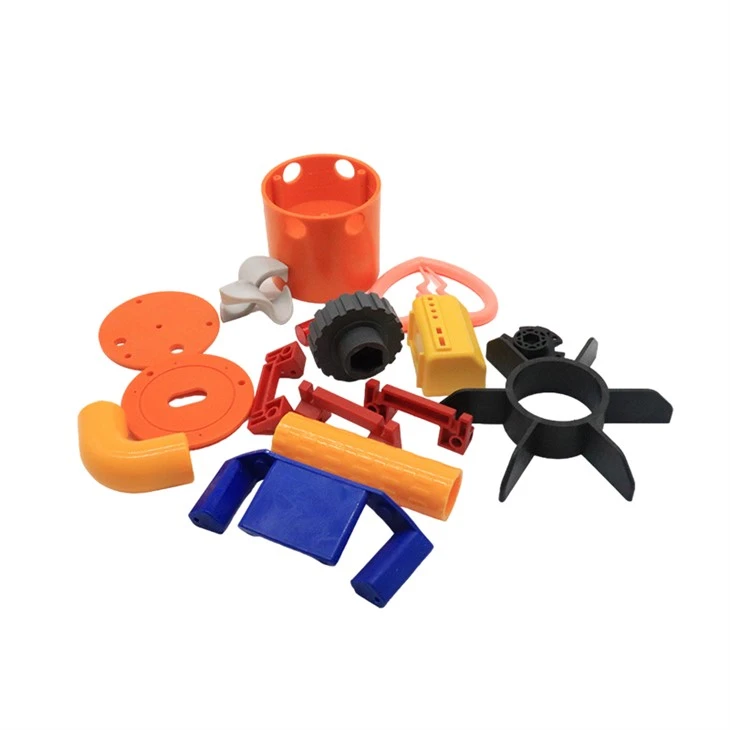
Description
Injection molding can achieve precise replication of complex shapes and details, resulting in highly consistent and precise parts. In addition, injection molding can use various types of plastic materials, such as polypropylene, polyurethane, polycarbonate, etc., to meet the needs of different applications.
Our Services
We provide customized solutions for different industries, from aerospace, medical components, electronics to the new energy industry, and more. CNC machining ensures the accuracy and quality of products.
At XYC, our ISO certified CNC workshop is specifically designed for rapid prototyping and small batch production of end use components. XYC CNC Factory provides you with 24-hour quotation service and rapid production of samples. We are your best choice for machining parts and can customize manufacturing according to your project requirements.
Machinable Range
|
Tolerance: |
+/-0.01mm(In CNC machining, The tolerance is largely influenced by the geometric shape and material type of the part. Specific tolerance details for different parts ) |
||
|
Roughness: |
Ra 0.1-Ra 3.2 |
||
|
Quality: |
DIN,ASTM,GOST,GB,JIS,ANSI,BS; |
||
|
Drawing format: |
PDF,DWG,DXF,IGS,STEP |
||
|
Authentication: |
ISO9001:2015,ISO4001:2015,RoHS,SGS; |
||
|
Size: |
Length 1600mm*length 850mm |
||
|
Material |
Steel: carbon steel, alloy steel, stainless steel, 4140, 20 #, 45 #, 40Cr, 20Cr, etc |
||
|
AL: AL6061,AL6063,AL6061,AL7075,AL5052,etc |
|||
|
Stainless steel: 201SS,301SS,304SS,316SS 17-4PH,etc |
|||
|
Brass: C37700,C28000,C11000,C36000,etc |
|||
|
Plastics:PTFE,PEEK,POM,PA,UHMW,PC,PBT,etc |
|||
|
Surface Treatment: |
Steel |
stainless steel |
stainless steel |
|
Galvanization |
Burnishing |
Anodizing |
|
|
Black anodize |
Passivation |
Sandblasting anodizing |
|
|
Nickeling |
Laser marking |
Colorful anodizing |
|
|
Chroming |
Sandblasting |
Wire drawing |
|
|
Heat treatment |
Burnishing |
||
|
Powder coating |
Chroming |
||

Injection molding: also known as injection molding, this type of injection molding method. Injection molding has the advantages of fast production speed, high efficiency, automated operation, diverse design, simple shape, small size, precise product size, convenient product updates, and complex shape. Suitable for mass production and injection molding of complex shaped products.
The advantages of injection molding technology
1. The injection mold can be used to precisely control the wall thickness distribution of the billet, making the wall thickness of the obtained container more uniform, avoiding the thinning phenomenon that is prone to occur in the corners of general blow molded products. The weight of the product can be controlled at+0.1g, and the accuracy of the thread can be controlled at soil 100 μ Within the M range, the mouth size is precise, and the forming accuracy of narrow necked products is high;
2. The obtained products do not require E-processing, have no seams, and save repair time for the products;
3. The injection molded blank can be fully blown into the blow molding mold, and there is no waste generated during the processing, reducing the waste of molding materials;
4. Can obtain products with smooth surfaces, no scratches, and clear surface text and patterns;
5. Economically capable of small-scale production;
6. Wide applicability range for plastic varieties;
High degree of automation, capable of multimodal production, and high production efficiency.
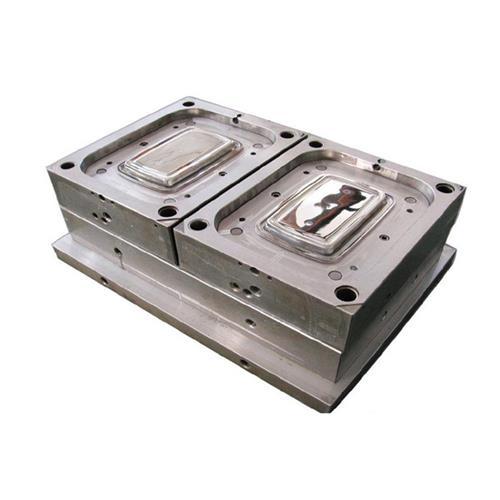


FQA
What is plastic injection molding?
Plastic injection molding is a manufacturing process that involves producing plastic parts or components by injecting molten plastic material into a pre designed mold cavity. It is one of the most widely used and effective methods for mass production of high-precision and consistent plastic products.
The process starts with the preparation of the mold, which is usually made of steel or aluminum. The mold consists of two halves, namely the cavity and the core, forming the shape required for plastic parts. The mold is designed to have specific geometric shapes and features that meet the requirements of the final product.
Plastic materials are usually in the form of small particles or particles, melted under high pressure and injected into the mold cavity through runners, runners, and gating systems. The melted plastic fills the entire cavity, forming the shape of the mold. Once the plastic cools and solidifies, it will pop out of the mold and repeat the process to produce the next part.
Plastic injection molding has multiple advantages. It can produce complex shapes with high detail and precision. This process is highly automated and can achieve fast and efficient productivity. It also provides excellent repeatability, ensuring consistent quality of each produced part. In addition, multiple plastic materials can be used to provide flexibility in material selection to meet specific requirements such as strength, flexibility, or heat resistance.
What are the four stages of injection molding?
Injection molding typically includes the following four stages:
Mold filling (clamping): This stage involves closing the two halves of the mold to ensure that the mold remains stable and sealed. During the filling stage, it is necessary to use the head mechanism of the injection machine to keep the mold in the correct position and apply sufficient pressure to prevent mold separation or material leakage.
Injection: At this stage, plastic material is added to the hopper of the injection machine in the form of particles or pellets. Then, the injection machine heats the plastic material to the adapter state and uses screws to push the plastic material into the injection chamber of the mold. The injection machine applies a certain amount of pressure to ensure that the adapter plastic fills the entire mold cavity.
Cooling: Once the injection chamber is filled, the plastic begins to solidify in the mold. The cooling time varies depending on factors such as the type of plastic used, the geometric shape and thickness of the parts. Adequate cooling time ensures that the plastic material has sufficient strength and stability to successfully demold and maintain its shape.
Mold opening (ejection): After the cooling stage is completed, the two halves of the mold are separated to release the formed plastic parts from the mold. Usually, an exhaust system or nozzle is installed on the mold to assist in smooth demolding. Once the part peels off the mold, it can be moved out of the forming area through a conveyor belt, robotic arm, or other automatic device.
How long does it take to manufacture injection molded parts?
The time required to manufacture injection parts depends on multiple factors, including the following aspects:
Size and complexity of parts: Lighter and simpler parts typically require manufacturing time, while larger and more complex parts may require more time to complete. Complex geometric shapes, details, and internal structures may require more injection molding cycles and processing steps.
The specifications and performance of the injection machine: The injection speed, pressure, and heating capacity of the injection machine can affect the manufacturing time. Larger injection machines can usually inject and fill mold cavities faster, thereby reducing manufacturing time.
Material types and characteristics: Different types of plastic materials have different temperatures, flowability, and cooling times. Some materials may require longer cooling times to ensure that the parts have sufficient strength and stability.
Production quantity: Manufacturing large quantities of injection molding machines is usually more efficient than manufacturing small quantities. In continuous production mode, the injection molding machine can run continuously, reducing mold changing and preparation time, thereby improving production efficiency.
Hot Tags: plastic injection molding, China plastic injection molding manufacturers, suppliers, factory, 3d printing and rapid prototyping services, Laser Cutting Services, precision automotive machining, custom sheet metal bending, online cnc parts, machining abs plastic


